1. Stay out and call
Keep everyone out of the space and do not touch what you see. The team asks a few questions to plan the job.
Union, OR · Union County
Property managers in Union find syringes, burnt foil and stained surfaces during move-out walks. Call (877) 812-4220 for a calm, private cleanup that clears the unit for the next tenant.
If anyone is in danger, call 911 first. For a suicide crisis, call or text 988.
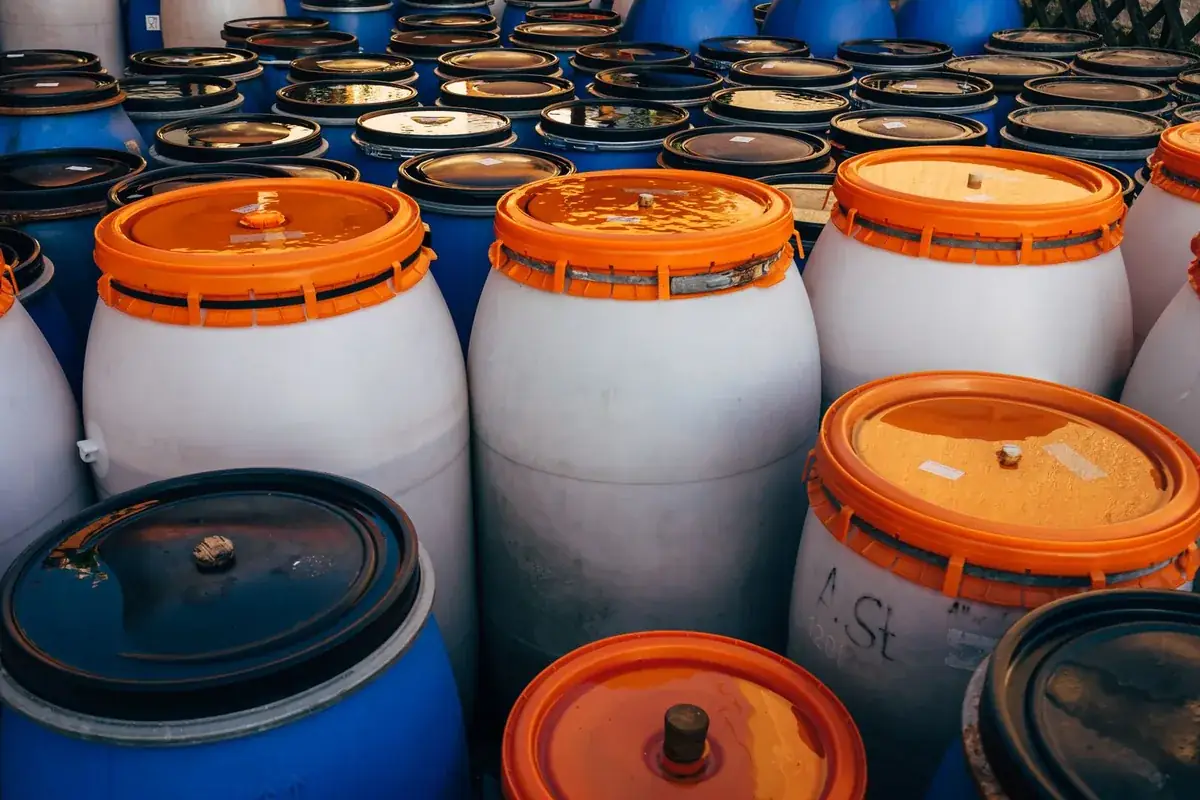
Paraphernalia removal is the first half of a drug use cleanup. Sharps go into puncture-resistant containers, other items are bagged and sealed, and everything is taken away as regulated waste.
If you are unsure whether your space in Union needs cleaning, you can talk with Union Biohazard Cleanup Help about it in Union County. The team helps sort out what is paraphernalia cleanup and what may call for more testing.
Housing in Union County is about 8% vacant. An empty building and an occupied one both need a careful search for hidden items. After a needle stick or exposure to an unknown substance, get medical care. Grande Ronde Hospital in La Grande is the closest emergency room to Union.
The work often covers:
Keep everyone out of the space and do not touch what you see. The team asks a few questions to plan the job.
Crews put on gloves, eye protection and respirators when needed, then search every room for sharps and other items.
Floors, furniture and fixtures are cleaned. Porous materials that hold residue are cut out or removed.
A last pass checks for missed items, and the owner receives guidance on next steps.
The cost of drug paraphernalia cleanup in Union, OR depends on the amount of material, how it is packed and how it is hauled.
Access and travel matter. A unit with stairs, locked areas or a long drive takes more time to serve.
| Type of job | Typical range |
|---|
Estimates only, not a quote. Sources: . Price drivers include amount of material, whether residue is present, surfaces affected, waste disposal. Call (877) 812-4220 to talk through the job.
Standard paraphernalia cleanup is about removal, cleaning and disinfection. Testing is a separate step, usually tied to a site where drugs were made. Ask the team and the local health department what testing, if any, applies to your property.
Crews wear protective gear, remove sharps and loose items, and then clean hard surfaces with EPA-registered disinfectants. Porous materials such as carpet, padding or upholstery that took in residue may be removed. The team can explain what applies to your space.
Yes. A property owner can call a cleanup team to clear and clean a unit after a tenant leaves. Lease terms and local law decide who pays. Keep photos and records, and ask the team what documentation it can provide.
Call 911 right away. Cleanup can wait. After the emergency is over and the space is released, a cleanup team can handle the items and residue left behind.
Keep them out of affected rooms until a cleanup team has finished. Children and pets are closest to floors and furniture and are most at risk from residue. If a child or pet touches or swallows something, call Poison Control or a veterinarian.
Vehicles can hold syringes, residue and odor in seats, carpets and vents. Ask whether the team cleans vehicles and how soft materials are treated. Crews use the same protective gear and sealed containers as in a building.
Stay out of the space and let a cleanup team handle it.
Call (877) 812-4220